
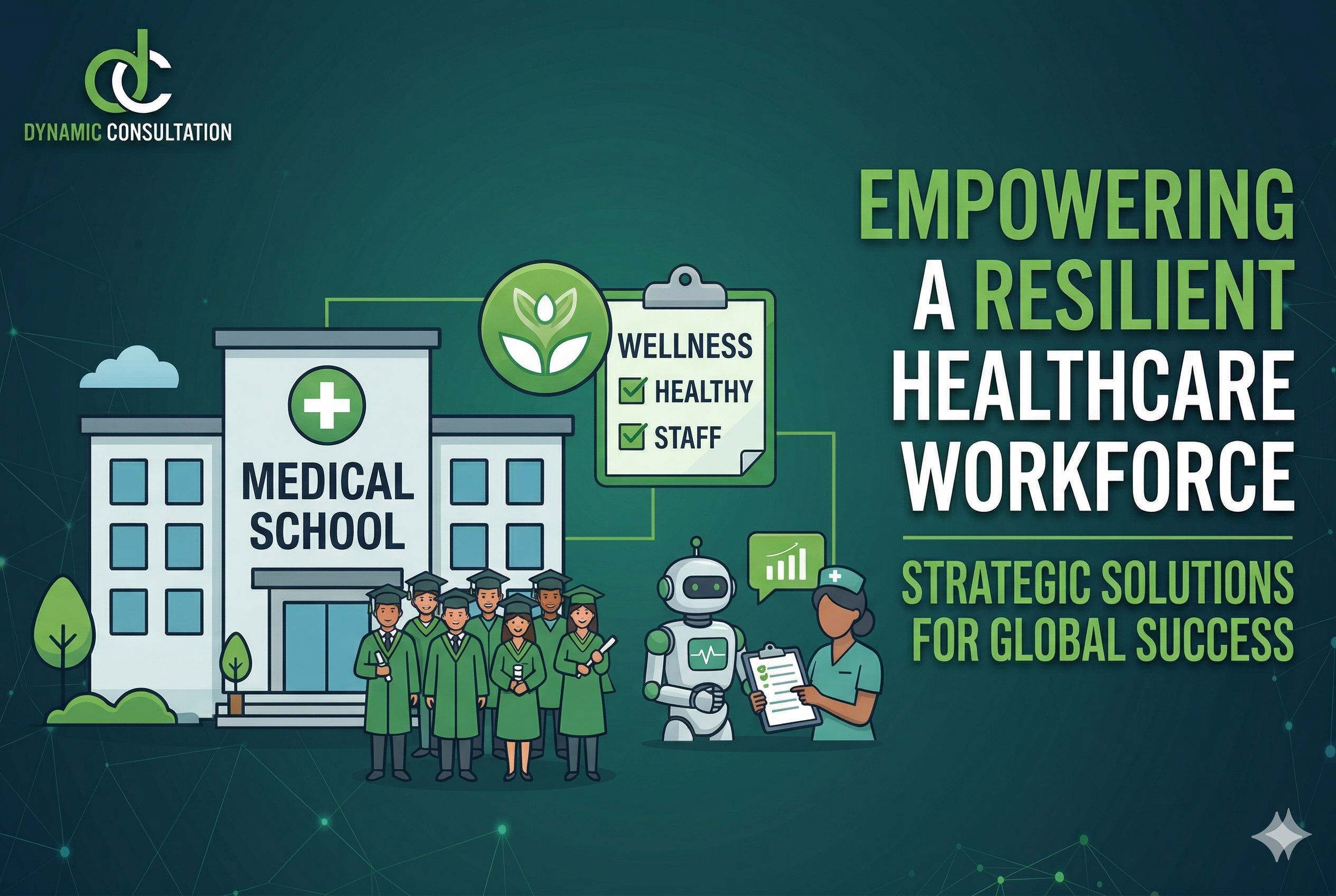
Healthcare Workforce Shortage: Causes, Impact, and Solutions
The global healthcare system is facing one of its most critical challenges today—Healthcare Workforce Shortage: Causes, Impact, and Solutions is no longer just a discussion topic, but a pressing reality affecting hospitals, clinics, and patients alike. From overwhelmed doctors to understaffed nursing units, the shortage of skilled healthcare professionals is creating a ripple effect across the entire industry.
If you’ve ever experienced long waiting times at hospitals or noticed healthcare workers stretched thin, you’ve already seen the impact of this growing crisis. But what’s really causing this shortage, and more importantly, how can it be solved?
Understanding the Healthcare Workforce Shortage
The healthcare workforce shortage refers to the gap between the demand for healthcare professionals and the available supply. This includes doctors, nurses, technicians, and even administrative staff.
The demand for healthcare services is increasing rapidly due to population growth, aging demographics, and rising chronic illnesses. However, the number of trained professionals entering the workforce is not keeping pace.
This imbalance is not limited to one country—it’s a global issue affecting both developed and developing nations.
Root Causes Behind the Shortage
One of the biggest reasons behind the healthcare workforce shortage is the aging population. As people live longer, they require more medical attention, which increases the demand for healthcare services. At the same time, many experienced healthcare professionals are retiring. This creates a gap that is difficult to fill quickly, especially in specialized fields. Another major factor is burnout. Healthcare professionals often work long hours under high-pressure conditions. Over time, this leads to physical and emotional exhaustion, causing many to leave the profession altogether. Education and training barriers also contribute to the shortage. Becoming a healthcare professional requires years of education, training, and certification. Limited seats in medical colleges and high education costs further restrict the number of new entrants. In addition, geographical imbalance plays a role. Urban areas tend to have more healthcare professionals, while rural and remote areas struggle to attract and retain talent.
Impact on Healthcare Systems
The effects of workforce shortages are far-reaching and deeply concerning. Patients often face longer waiting times for consultations, delayed treatments, and reduced access to care. In critical situations, delays can even become life-threatening. Healthcare workers, on the other hand, experience increased workloads. This not only affects their well-being but also raises the risk of errors, impacting patient safety. Hospitals and healthcare organizations face operational challenges as well. Staff shortages can lead to reduced efficiency, higher costs, and lower patient satisfaction. In the long run, this can damage the reputation of healthcare institutions and affect their ability to deliver quality care.
Rising Demand for Skilled Professionals
The healthcare industry is evolving rapidly with advancements in technology and treatment methods. This has increased the demand for highly skilled professionals who can adapt to new systems and provide specialized care. Roles such as critical care nurses, radiology technicians, and healthcare IT specialists are in particularly high demand. However, finding qualified candidates for these roles is becoming increasingly difficult. This is where strategic hiring and workforce planning become essential.
Role of Recruitment and Staffing Solutions
To tackle the workforce shortage, healthcare organizations need to rethink their hiring strategies. Traditional recruitment methods are no longer sufficient in today’s competitive environment. Partnering with expert recruitment firms like Dynamic Consultation can make a significant difference. With a deep understanding of the healthcare industry, Dynamic Consultation helps organizations identify, attract, and retain the right talent. Their approach goes beyond just filling positions—they focus on building a sustainable workforce that aligns with the organization’s long-term goals.
Leveraging Technology to Bridge the Gap
Technology is playing a crucial role in addressing healthcare workforce shortages. Telemedicine, for example, allows doctors to consult patients remotely, reducing the need for physical presence. This helps optimize the use of available resources. Digital recruitment platforms and AI-driven tools are also transforming the hiring process. They enable faster candidate screening, better matching, and improved hiring efficiency. Healthcare organizations that embrace digital transformation are better positioned to overcome staffing challenges.
Improving Work Conditions and Retention
Hiring new talent is only part of the solution—retaining existing staff is equally important. Healthcare organizations must focus on improving work conditions by offering flexible schedules, competitive salaries, and mental health support. Creating a positive work environment can significantly reduce burnout and increase job satisfaction. When employees feel valued and supported, they are more likely to stay and contribute effectively.
Training and Upskilling the Workforce
Investing in education and training is essential to address the shortage in the long term. Healthcare organizations can collaborate with educational institutions to create training programs that align with industry needs. Upskilling existing employees is another effective strategy. Providing opportunities for professional growth not only enhances skills but also boosts employee morale.
Addressing Rural Healthcare Challenges
One of the most overlooked aspects of workforce shortage is the lack of healthcare professionals in rural areas. To address this, governments and organizations can offer incentives such as higher salaries, housing benefits, and career growth opportunities to attract professionals to these regions. Telehealth services can also help bridge the gap by connecting rural patients with urban healthcare providers.
Future of Healthcare Workforce
The future of healthcare workforce management will depend on adaptability and innovation. Organizations will need to adopt a proactive approach, focusing on workforce planning, technology integration, and employee well-being. The role of recruitment consultancies like Dynamic Consultation will become even more important as healthcare organizations seek expert guidance to navigate these challenges.
Why Dynamic Consultation is a Trusted Partner
In a time when hiring the right talent is more critical than ever, Dynamic Consultation stands out as a reliable partner for healthcare recruitment. They offer customized solutions tailored to the unique needs of healthcare organizations. From sourcing qualified candidates to optimizing recruitment processes, their expertise ensures better hiring outcomes. By combining industry knowledge with modern recruitment strategies, Dynamic Consultation helps organizations build strong and resilient teams. Healthcare Workforce Shortage: Causes, Impact, and Solutions is a challenge that requires immediate attention and collective effort. It’s not just about numbers—it’s about ensuring that patients receive the care they deserve. From adopting advanced technologies to improving working conditions and partnering with experts like Dynamic Consultation, there are multiple ways to address this issue effectively. The healthcare industry is the backbone of society. Strengthening its workforce is not just a priority—it’s a necessity. And the steps we take today will shape the future of healthcare for years to come.
Read this also,